
Nationwide Drug & Alcohol Monitoring for Employers and Sponsors
Structured monitoring programs with randomization, participant notification, testing coordination, MRO oversight, compliance tracking, and reporting — customized to your organization’s needs and available nationwide.
A brief call to discuss monitoring needs for you, your organization, or your client and identify the right program structure.
Shoreline’s Drug & Alcohol Monitoring Program
Shoreline provides structured drug and alcohol monitoring programs for employers, attorneys, professional organizations, families, and other sponsors who need a reliable way to document compliance with an agreed testing plan.
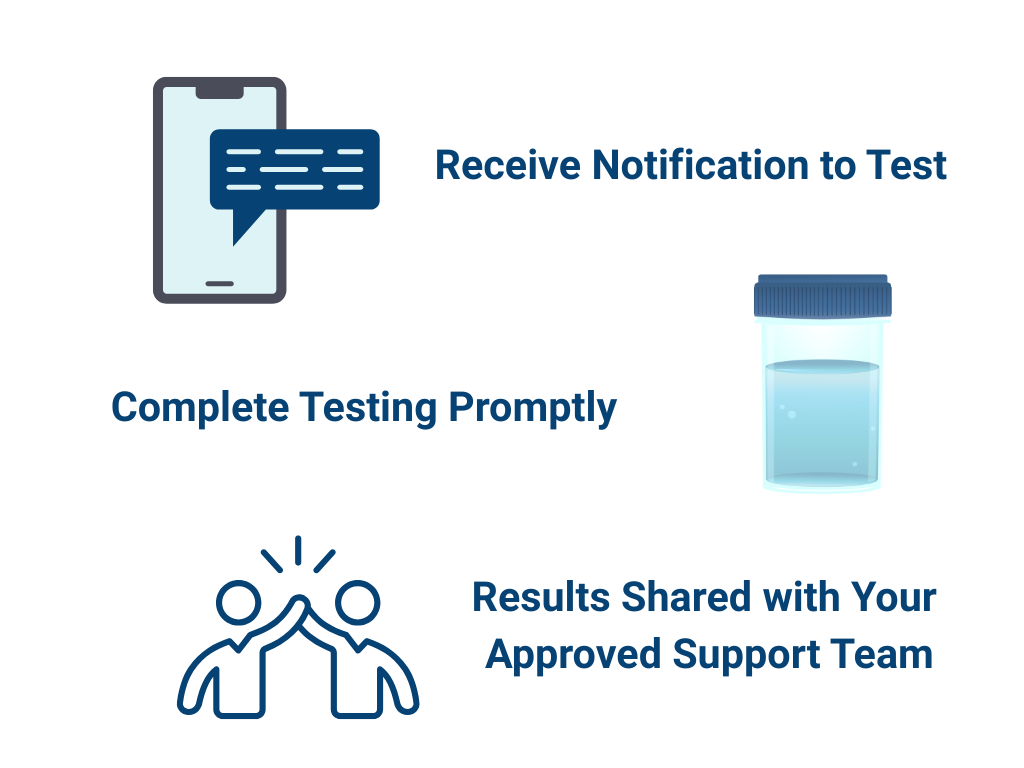
Programs can be configured around the needs of the sponsor and participant and may include:
randomized urine drug testing
daily web check-in or direct SMS/email notification
alcohol monitoring and specialized testing when needed
MRO review of applicable laboratory results
tracking of missed tests and other compliance events
routine compliance reporting to authorized stakeholders
coordination with Shoreline’s testing network or an organization’s existing laboratory or collection process
Monitoring services are available nationwide and are separate from addiction treatment. The goal is to provide a structured, objective system for testing, documentation, and accountability that can be adapted to workplace, professional, legal, or personal monitoring needs.
When Monitoring Can Help
Structured monitoring can provide an objective framework when an employer, attorney, licensing body, or other sponsor needs ongoing documentation of abstinence, compliance, or testing participation.
Return-to-Work Agreements

Structured follow-up testing for employees returning after treatment, a positive test, or another substance-related workplace concern.
Professional or Licensing Monitoring

Independent monitoring for physicians, attorneys, nurses, and other licensed professionals who need documented compliance with a board, employer, credentialing, or professional requirement.
Attorney-Directed or Legal Monitoring

Objective drug and alcohol monitoring for clients who need documented testing for employment matters, professional discipline, family law, court-related agreements, or other legal situations where independent compliance reporting may be useful.
Start a Monitoring Program
Brief phone call to discuss whether accountability monitoring is right for you.
Monitoring Program Levels
Participants enroll in a monitoring level based on the amount of structure and oversight required. Fees include all routine and confirmatory testing.

Accountability Monitoring
Our standard monitoring program, designed for individuals working to rebuild trust and demonstrate accountability over time.
Program Features
Random testing approximately 2–3 times per month
SMS / Text Message notification to participant when selected
Testing required within 24 hours
Test results and compliance with testing program can be shared with family members, support persons, employers, or legal professionals with appropriate consent
$195/month · Routine testing included · 3-month minimum
Specialized testing and outside collection fees may be additional.
Professional & Compliance Monitoring

Designed for professional, workplace, licensing, legal, and other higher-accountability situations requiring individualized monitoring and formal documentation.
Program Features May Include
Daily check-in with the monitoring system
Randomized drug and alcohol testing with individualized frequency
Same-day testing and specialized testing such as PEth or hair testing
Case management, workplace-monitor coordination, and structured compliance reporting
Starting at $295 per month. Minimum enrollment is based on the individualized monitoring plan.

Recovery Monitoring
A lower-intensity monitoring option for individuals maintaining recovery who want continued structure and accountability.
Program Features
Random testing approximately 1 time per month
SMS / Text Message notification when selected
Testing required within 48 hours
Test results and compliance with testing program can be shared with family members, support persons, employers, or legal professionals with appropriate consent
$95/month · Routine testing included · No minimum term
Specialized testing and outside collection fees may be additional.
Start a Monitoring Program
Brief phone call to discuss whether accountability monitoring is right for you.
How Monitoring Works
Shoreline’s monitoring programs follow a structured process designed to provide transparency and accountability.

4. Notification
Participants are notified when testing is required.
1. Enrollment
Participants enroll in the monitoring program and select the appropriate monitoring level.

2. Configure Testing Profile
Each participant is assigned a testing profile that may include a standard screening panel and targeted substances when appropriate.

3. Random Selection
Testing occurs on a randomized basis according to the monitoring level.

5. Testing
Testing is completed at the Shoreline clinic (or agreed upon location) within the required timeframe. Confirmatory testing performed if required.
6. Results and Compliance Update
Testing results and compliance updates may be shared with authorized members of the participant’s support team, with appropriate consent.

Frequently
Asked
Questions
-
An accountability monitoring program provides structured, objective monitoring to support abstinence and recovery goals. Programs may include tools such as remote alcohol monitoring and random drug testing, along with regular compliance reporting.
These programs are often used to support individuals working toward sobriety while providing reassurance to family members, employers, legal professionals, or recovery support teams.
Accountability monitoring can help rebuild trust while offering objective documentation of compliance with a sobriety or testing plan.
-
No. Accountability monitoring services are separate from addiction treatment or counseling.
The program focuses on monitoring and reporting compliance with an agreed-upon testing plan, rather than providing therapy or medical treatment.
In some situations, monitoring may be used alongside treatment to provide additional structure and accountability during recovery.
-
Accountability & Monitoring programs may be used in a variety of situations, including:
Individuals who want additional accountability during recovery
Families working to rebuild trust after substance use concerns
Support during transition from residential treatment or rehab
Court, legal, or probation-related sobriety monitoring
Workplace or professional monitoring requirements
Individuals who want objective documentation of sobriety
Programs can be customized depending on the participant’s goals and the needs of their support system.
-
Monitoring programs may include:
Remote alcohol monitoring
Random drug testing
Structured abstinence monitoring programs
Customized testing schedules depending on the situation
Monitoring plans are designed to provide objective accountability and documentation of compliance with sobriety expectations.
-
Yes. Monitoring programs can be customized to target specific substances depending on the needs of the participant and their support team.
For example, a monitoring plan may focus on substances such as:
Alcohol
Common drugs of misuse (such as opioids, cocaine, methamphetamine, or cannabis)
Kratom or other emerging substances
Prescription medications when monitoring adherence or misuse is a concern
Other targeted substances depending on the situation
In some cases, specialized testing panels or monitoring protocols can be developed to address a particular concern. The appropriate testing strategy will depend on the goals of the monitoring program, the substances being monitored, and available laboratory testing options.
These details can be reviewed and structured during the monitoring consultation to ensure the testing plan aligns with the goals of the participant and their support system.
-
Monitoring programs typically generate weekly compliance reports that may be shared with approved stakeholders.
These reports summarize whether the participant remained compliant with the testing plan or monitoring requirements, or whether any missed or non-compliant events occurred.
Participants may authorize reports to be shared with individuals such as:
Family members or support persons
Employers or professional monitoring programs
Attorneys or legal professionals
Members of a recovery support team
For family or support-based monitoring programs, participants may also choose to authorize sharing of individual drug or alcohol test results, in addition to general compliance summaries.
-
No. Testing selections are made independently each week based on the monitoring plan.
Even if you were tested this week, you may still be selected again the following week. Programs that average a certain number of tests per month simply reflect the overall probability of selection, but each week represents a new chance of being chosen for testing.
This approach helps maintain unpredictability and accountability within the monitoring program.
-
Yes. Monitoring information is only shared with others when the participant provides written consent.
At the start of the program, participants complete consent forms specifying who may receive monitoring reports or test results.
Participants may revoke consent at any time in writing. If consent is revoked, individuals who had previously been receiving compliance reports will be notified that authorization to share monitoring information has been withdrawn.
-
The length of a monitoring program varies depending on the situation. Some individuals participate for a few months, while others may continue monitoring for longer periods depending on personal goals, family agreements, legal requirements, or professional programs.
Monitoring plans can be adjusted as circumstances change.
-
Yes. Many families use accountability monitoring as a way to rebuild trust after substance use concerns.
Objective testing and regular compliance reporting can help reduce uncertainty and provide clear, verifiable information about sobriety, allowing families to focus on rebuilding relationships and supporting recovery.
-
The first step is to schedule a brief phone consultation to discuss your situation and determine whether accountability monitoring may be appropriate.
During this call we will review monitoring options, testing structures, and reporting arrangements.
Important Note
Shoreline’s accountability & monitoring program provides structured drug and alcohol testing designed to support accountability and transparency in situations where trust and oversight are important.
Monitoring services are separate from treatment services, although they may be used alongside treatment or recovery support programs. For some individuals, structured monitoring can be a helpful component of a broader recovery plan by providing clear expectations and objective accountability over time.
Drug and alcohol testing has inherent limitations and reflects only the substances detected within the testing window. Monitoring programs are intended to provide structure and objective information within those limitations and should not be interpreted as proof of sobriety or abstinence.